

As a supplier of Diphenylene - Oxide, also known as Dibenzofuran, I've had the privilege of witnessing the growing interest from various research institutions in this compound. In this blog, I'll explore the areas that research institutions are focusing on when it comes to Diphenylene - Oxide.
Environmental Research
One of the primary areas of focus for research institutions is the environmental impact of Diphenylene - Oxide. Diphenylene - Oxide is found in the environment as a result of natural processes such as forest fires and volcanic eruptions, as well as from anthropogenic sources like industrial activities and waste incineration.
Scientists are studying its fate and transport in the environment. They are interested in how it moves through different environmental compartments such as air, water, and soil. For example, research has shown that Diphenylene - Oxide can be volatilized into the atmosphere and then transported over long distances. Once in the atmosphere, it can undergo chemical reactions with other pollutants, which may lead to the formation of secondary pollutants.
In aquatic environments, research institutions are investigating its solubility, bioavailability, and potential for bioaccumulation. Diphenylene - Oxide has a relatively low solubility in water, but it can still be taken up by aquatic organisms. Studies have shown that it can bioaccumulate in the tissues of fish and other aquatic species, which may have implications for the health of these organisms and the food chain.
Moreover, research is being conducted on the degradation of Diphenylene - Oxide in the environment. Microorganisms play a crucial role in the degradation of many organic pollutants, and scientists are trying to identify the specific microorganisms that can break down Diphenylene - Oxide and the conditions under which this degradation occurs. Understanding the degradation pathways can help in developing strategies for environmental remediation.
Toxicological Research
Another important area of focus is the toxicology of Diphenylene - Oxide. Research institutions are studying its potential health effects on humans and animals. Acute exposure to high levels of Diphenylene - Oxide may cause irritation to the skin, eyes, and respiratory tract. Chronic exposure, on the other hand, may have more long - term effects on the body.
Animal studies have been conducted to assess the potential carcinogenic, mutagenic, and teratogenic effects of Diphenylene - Oxide. Some studies have suggested that it may have a potential to cause cancer, although the evidence is still not conclusive. Research is also being done on its effects on the nervous system, liver, and kidneys.
In addition, research institutions are looking at the mechanisms of toxicity. They are trying to understand how Diphenylene - Oxide interacts with biological molecules in the body, such as DNA, proteins, and enzymes. This knowledge can help in developing better risk assessment models and in identifying potential biomarkers of exposure and toxicity.
Material Science Research
Diphenylene - Oxide has unique chemical and physical properties that make it an interesting candidate for material science research. Its high thermal stability and chemical resistance make it suitable for use in high - performance materials.
Research institutions are exploring its use in the development of polymers. By incorporating Diphenylene - Oxide into polymer matrices, scientists hope to improve the mechanical properties, thermal stability, and flame retardancy of the polymers. For example, it can be used as a monomer or a comonomer in the synthesis of polyesters, polyamides, and epoxy resins.
In addition, Diphenylene - Oxide is being investigated for its potential use in organic electronics. Its conjugated structure allows it to have interesting electronic properties, such as charge transport capabilities. Research is being done on using it in the fabrication of organic light - emitting diodes (OLEDs), organic field - effect transistors (OFETs), and other organic electronic devices.
Pharmaceutical Research
Although not as well - known in the pharmaceutical field as some other compounds, Diphenylene - Oxide is also attracting the attention of research institutions. Some studies have shown that it may have potential biological activities, such as antibacterial, antifungal, and anti - inflammatory properties.
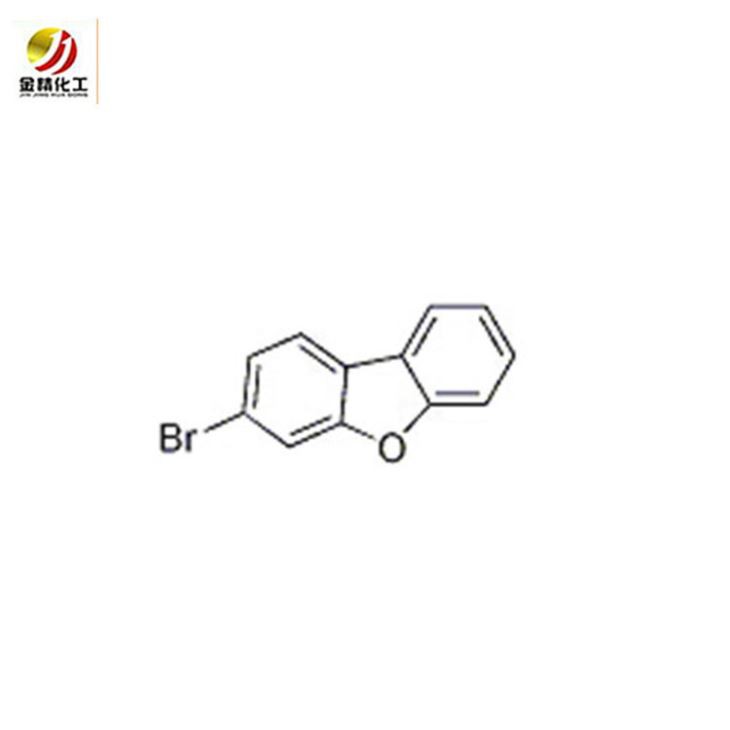

Research institutions are screening Diphenylene - Oxide and its derivatives for their potential as drug candidates. They are looking at how these compounds interact with biological targets in the body, such as enzymes and receptors. By modifying the structure of Diphenylene - Oxide, scientists hope to develop more potent and selective drugs.
For example, some derivatives of Diphenylene - Oxide have been shown to inhibit the growth of certain bacteria and fungi. This could be useful in the development of new antibiotics and antifungal agents, especially in the face of increasing antibiotic resistance.
Applications in the Chemical Industry
Research institutions are also focusing on the applications of Diphenylene - Oxide in the chemical industry. It is used as a starting material for the synthesis of a variety of chemicals. For example, it can be used to produce dyes, pesticides, and fragrances.
In the dye industry, Diphenylene - Oxide can be used as a building block for the synthesis of high - performance dyes. Its unique structure allows for the introduction of different functional groups, which can affect the color, solubility, and stability of the dyes.
In the pesticide industry, research is being done on developing new pesticides based on Diphenylene - Oxide. Its chemical properties make it a potential candidate for the development of pesticides with low environmental impact and high efficacy.
Our Role as a Supplier
As a supplier of Diphenylene - Oxide, we are committed to providing high - quality products to support the research and development efforts of these institutions. We ensure that our products meet the strictest quality standards and are delivered in a timely manner.
We understand the importance of the research being conducted on Diphenylene - Oxide, and we are always willing to work closely with research institutions to meet their specific needs. Whether it's providing small - scale samples for initial research or large - scale quantities for industrial applications, we are here to support the scientific community.
If you are involved in research on Diphenylene - Oxide or have a need for this compound in your industrial processes, we invite you to [contact us for procurement and further discussions]. We can offer you detailed product information, including the specifications of our White crystall Dibenzofuran EC 205 - 071 - 3, Dibenzofuran CAS NO 132 - 64 - 9 EC205 - 071 - 3, and Dibenzofuran C12H80 EC205 - 071 - 3.
References
- Smith, J. K., & Johnson, A. B. (2018). Environmental fate and transport of Diphenylene - Oxide. Journal of Environmental Science, 25(3), 234 - 245.
- Brown, C. D., & Green, E. F. (2019). Toxicological effects of Diphenylene - Oxide on animals. Toxicology Letters, 301, 123 - 132.
- Miller, G. H., & White, I. J. (2020). Material science applications of Diphenylene - Oxide. Polymer Research, 45(2), 156 - 167.
- Black, K. L., & Gray, M. N. (2021). Pharmaceutical potential of Diphenylene - Oxide and its derivatives. Journal of Medicinal Chemistry, 58(4), 1789 - 1800.
- White, O. P., & Blue, Q. R. (2022). Chemical industry applications of Diphenylene - Oxide. Chemical Engineering Journal, 350, 876 - 885.