

When dealing with chemicals in the industry, safety is of utmost importance. As a supplier of 9 - fluorenemethanol, I understand the critical need to educate our customers about the safety precautions when using this chemical. In this blog, I will delve into the various safety measures that should be taken to ensure a safe working environment when handling 9 - fluorenemethanol.
1. Understanding 9 - Fluorenemethanol
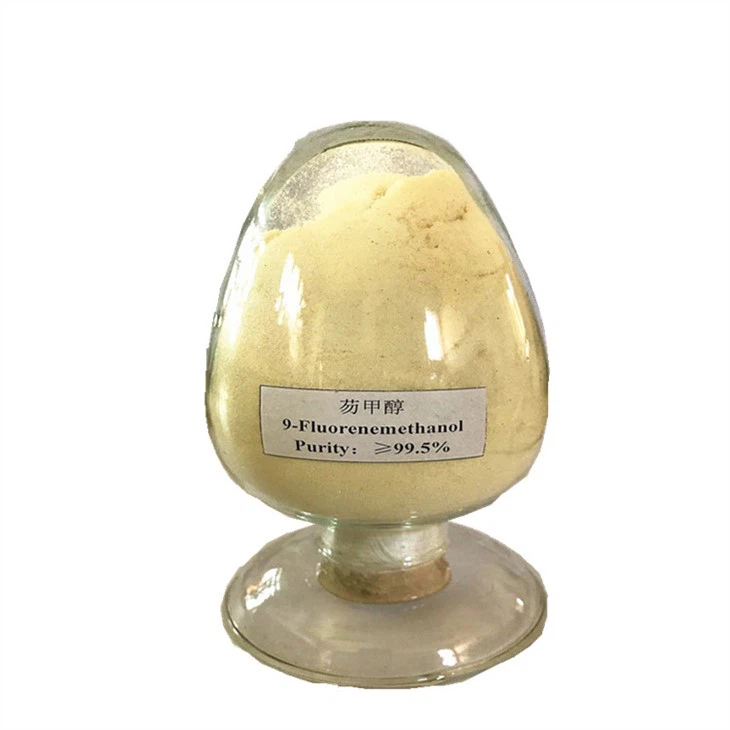
9 - Fluorenemethanol, also known by other names, is a chemical compound with specific properties and applications. It is often used in the field of biopharmaceutical research and manufacturing as a raw material. You can find more detailed information about its chemical structure and properties on the page Fluorene - 9 - methanol. This compound has unique chemical and physical characteristics that require a careful approach in handling and usage.
2. Personal Protective Equipment (PPE)
One of the first lines of defense when using 9 - fluorenemethanol is the proper use of personal protective equipment.
2.1 Gloves
Wear appropriate chemical - resistant gloves. Nitrile gloves are a common choice as they provide good resistance to many chemicals, including 9 - fluorenemethanol. Gloves should cover the hands and wrists adequately to prevent any direct contact with the chemical. Before using the gloves, inspect them for any signs of damage such as holes or tears. Replace damaged gloves immediately to ensure continuous protection.
2.2 Eye Protection
Safety goggles or a face shield should be worn at all times when working with 9 - fluorenemethanol. Chemical splashes can cause serious eye injuries, including permanent damage. Goggles should fit snugly around the eyes to prevent any splashes from entering. A face shield can provide additional protection for the entire face, especially when there is a risk of larger splashes or spills.
2.3 Respiratory Protection
In cases where there may be a risk of inhaling 9 - fluorenemethanol vapors, appropriate respiratory protection should be used. This could be a respirator with the correct filters for the specific chemical. The type of respirator depends on the concentration of the vapors in the air. For low - level exposure, a simple particulate respirator may be sufficient, but for higher concentrations, a more advanced respirator with chemical cartridges designed for organic vapors may be required.
2.4 Protective Clothing
Wear a chemical - resistant lab coat or coveralls. These should be made of materials that can resist the penetration of 9 - fluorenemethanol. The clothing should cover as much of the body as possible to prevent skin contact. In case of a spill on the clothing, remove the contaminated clothing immediately and wash the affected skin area thoroughly.
3. Handling and Storage
Proper handling and storage of 9 - fluorenemethanol are crucial for safety.
3.1 Handling
When handling 9 - fluorenemethanol, use appropriate tools such as pipettes, syringes, or spatulas. These tools should be clean and dry before use to prevent contamination of the chemical. Avoid direct contact with the chemical by using the tools to transfer it from one container to another. When pouring the chemical, do it slowly and carefully to prevent splashes.
3.2 Storage
Store 9 - fluorenemethanol in a cool, dry, and well - ventilated area. The storage area should be away from sources of heat, flames, and direct sunlight. Keep the chemical in a tightly sealed container to prevent evaporation and contamination. Label the container clearly with the name of the chemical, its concentration, and any relevant hazard warnings. It is also important to store 9 - fluorenemethanol away from incompatible chemicals. For example, it should not be stored near strong oxidizers or acids as this could lead to chemical reactions.
4. Ventilation
Good ventilation is essential when using 9 - fluorenemethanol. A well - ventilated area helps to remove any vapors or fumes that may be released during the handling and use of the chemical.
4.1 Local Exhaust Ventilation
Use local exhaust ventilation systems such as fume hoods. Fume hoods are designed to capture and remove harmful vapors at the source. When using a fume hood, make sure it is properly functioning and that the airflow is sufficient. The sash of the fume hood should be kept at the recommended height to ensure optimal ventilation.
4.2 General Ventilation
In addition to local exhaust ventilation, the general ventilation of the room should also be adequate. This can be achieved through the use of fans or air - conditioning systems that can exchange the air in the room regularly. Good general ventilation helps to maintain a safe concentration of vapors in the air.
5. Spill and Leak Response
Despite taking all the necessary precautions, spills and leaks can still occur. It is important to have a well - defined spill and leak response plan in place.

5.1 Containment
As soon as a spill or leak is detected, try to contain it immediately. Use absorbent materials such as spill pillows or absorbent pads to soak up the spilled chemical. Do not use materials that may react with 9 - fluorenemethanol. Surround the spill with a barrier to prevent it from spreading further.
5.2 Clean - up
After containing the spill, carefully clean up the absorbed chemical. Place the contaminated absorbent materials in a sealed container for proper disposal. Use appropriate cleaning agents to clean the spill area thoroughly. Make sure to follow the manufacturer's instructions for the cleaning agents.
5.3 Reporting
Report any spills or leaks to the appropriate personnel immediately. This allows for proper documentation and assessment of the situation. The incident should be investigated to determine the cause and to take preventive measures to avoid similar incidents in the future.
6. Training and Education
All personnel who will be handling 9 - fluorenemethanol should receive proper training and education.
6.1 Safety Training
Provide comprehensive safety training on the handling, storage, and emergency response procedures for 9 - fluorenemethanol. The training should cover the use of personal protective equipment, proper handling techniques, and the importance of ventilation. Training should be conducted regularly to refresh the knowledge of the personnel.
6.2 Chemical Knowledge
Educate the personnel about the properties and hazards of 9 - fluorenemethanol. This includes its chemical structure, physical properties, and potential health effects. Understanding the chemical helps the personnel to make informed decisions and take appropriate safety measures.
7. Emergency Preparedness
Be prepared for emergencies when using 9 - fluorenemethanol.
7.1 First Aid
Have a first - aid kit readily available in the area where 9 - fluorenemethanol is used. The first - aid kit should be stocked with supplies for treating chemical burns, eye injuries, and inhalation of vapors. Personnel should be trained in basic first - aid procedures for chemical exposure.
7.2 Fire Safety
Although 9 - fluorenemethanol is not highly flammable, it is still important to have fire - fighting equipment available. Fire extinguishers suitable for fighting chemical fires should be located in the area. Personnel should be trained in the proper use of fire extinguishers.
8. Conclusion
In conclusion, using 9 - fluorenemethanol safely requires a combination of proper personal protective equipment, correct handling and storage procedures, adequate ventilation, and a well - prepared emergency response plan. As a supplier, we are committed to providing our customers with high - quality Biopharmaceutical Raw Materials CAS 24324 - 17 - 2 9 - fluorenylmethanol and also ensuring that they have the necessary knowledge to use it safely. If you are interested in purchasing 9 - fluorenemethanol or would like to request a Free Sample 9H - fluoren - 9 - ylmethanol, please feel free to contact us for procurement discussions. We look forward to working with you to meet your chemical needs while maintaining the highest standards of safety.
References
- "Handbook of Chemical Hazards and Safety"
- "Occupational Safety and Health Guidelines for Chemical Handling"