

What are the safety precautions when handling Bactericide Intermediate Indole?
As a supplier of Bactericide Intermediate Indole, I understand the importance of safety when it comes to handling this chemical compound. Indole, with Indole CAS NO 120-72-9, is a versatile and widely - used compound not only as a bactericide intermediate but also as a Daily Flavor Raw Material Cas 120-72-9 Indole and Daily Flavor Raw Material CAS 120 - 72-91h-Indole. However, it also poses certain risks that need to be carefully managed. This blog post will outline the key safety precautions one should take when handling Indole.
Personal Protective Equipment (PPE)
The first line of defense when handling Indole is the appropriate use of personal protective equipment. This includes wearing chemical - resistant gloves. Nitrile gloves are a good choice as they offer decent protection against Indole. They prevent the chemical from coming into direct contact with the skin, which can cause irritation, redness, and in severe cases, chemical burns.
Safety goggles are also essential. Indole may splatter during handling, and getting it into the eyes can lead to serious eye damage, including irritation, corneal abrasions, and even blindness in extreme cases. A well - fitting pair of safety goggles will shield the eyes from these potential hazards.
A lab coat or an appropriate chemical - resistant apron is necessary. It covers the body and protects clothing and skin from spills and splashes. In addition, wearing closed - toe shoes is a must. This protects the feet from any accidental spills that may occur on the floor and also provides a stable base when handling containers of Indole.
Handling in a Well - Ventilated Area
Indole has a distinct odor, and inhaling its vapors can be harmful to the respiratory system. It is crucial to handle Indole in a well - ventilated area. A fume hood is the ideal environment for working with this chemical. The fume hood draws air away from the operator, effectively removing any vapors or dust particles that may be released during handling.
If a fume hood is not available, the work should be carried out in an open, well - circulated area. Windows should be opened to allow fresh air to enter and carry away the chemical vapors. However, it is important to note that open - air handling may not be suitable in all weather conditions, especially when there is little air movement.
Storage Precautions
Proper storage of Indole is just as important as proper handling. Indole should be stored in a cool, dry, and well - ventilated area. It should be kept away from direct sunlight and heat sources, as high temperatures can cause the chemical to decompose or react, potentially increasing the risk of fire or explosion.
Containers of Indole should be tightly sealed to prevent the release of vapors and to protect the chemical from contamination. They should be stored on stable shelves or in cabinets that are specifically designed for chemical storage. In addition, Indole should be stored separately from incompatible substances such as strong oxidizers, acids, and bases. These substances can react violently with Indole, leading to hazardous situations.
Spill and Leak Response
Despite taking all the necessary precautions, spills and leaks can still occur. In the event of a spill or leak of Indole, immediate action should be taken. First, evacuate the area if the spill is large or if there is a significant amount of vapor. Alert other workers in the vicinity about the spill.
For small spills, absorb the chemical with an appropriate absorbent material such as vermiculite, sand, or a commercial spill - control product. Carefully scoop up the absorbed material and place it in a labeled, sealed container. The area should then be cleaned thoroughly with a suitable detergent and water to remove any remaining traces of Indole.
In the case of a large spill, it may be necessary to call in a professional hazardous - waste cleanup team. They have the equipment and expertise to handle large - scale spills safely and effectively.
First - Aid Measures
It is important to be prepared for potential exposure incidents. In case of skin contact with Indole, immediately remove any contaminated clothing and flush the affected area with plenty of water for at least 15 minutes. If irritation persists, seek medical attention.
If Indole gets into the eyes, open the eyes wide and flush them with gently flowing water for at least 15 minutes. Lift the upper and lower eyelids occasionally to ensure thorough rinsing. Seek immediate medical help.
In case of inhalation, move the affected person to fresh air immediately. If the person is not breathing, perform artificial respiration. If breathing is difficult, administer oxygen if available. Seek medical attention right away.
If Indole is swallowed, do not induce vomiting unless instructed to do so by a medical professional. Give the person a glass of water to drink and seek immediate medical help.
Training and Education
All personnel who handle Indole should receive proper training and education. They should be familiar with the chemical properties of Indole, including its hazards, physical and chemical characteristics, and safe handling procedures. Training should also cover the use of personal protective equipment, spill - response techniques, and first - aid measures.
Regular refresher courses should be provided to ensure that workers stay up - to - date with the latest safety information and best practices. This training helps to prevent accidents and ensures that workers can respond effectively in case of an emergency.

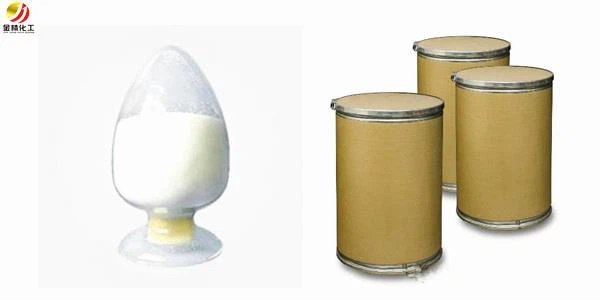
Conclusion
Handling Bactericide Intermediate Indole requires strict adherence to safety precautions. By using appropriate personal protective equipment, working in well - ventilated areas, storing the chemical properly, having a spill - response plan in place, knowing first - aid measures, and providing adequate training, the risks associated with handling Indole can be significantly reduced.
As a supplier, I am committed to providing high - quality Indole and also to ensuring that all our customers are aware of the safety measures required for handling it. If you are interested in purchasing Bactericide Intermediate Indole or have any questions about its safety and handling, please feel free to contact us for procurement discussions.
References
- Bretherick, L. (1995). Bretherick's Handbook of Reactive Chemical Hazards. Butterworth - Heinemann.
- National Fire Protection Association. (2019). NFPA 400: Hazardous Materials Code.
- United States Environmental Protection Agency. (2016). Workplace Safety and Health Requirements.