

Hey there! As a supplier of Indole (CAS NO 120 - 72 - 9), I've been getting a lot of questions about its metabolic pathways in the body. So, I thought I'd dive into this topic and share what I've learned.

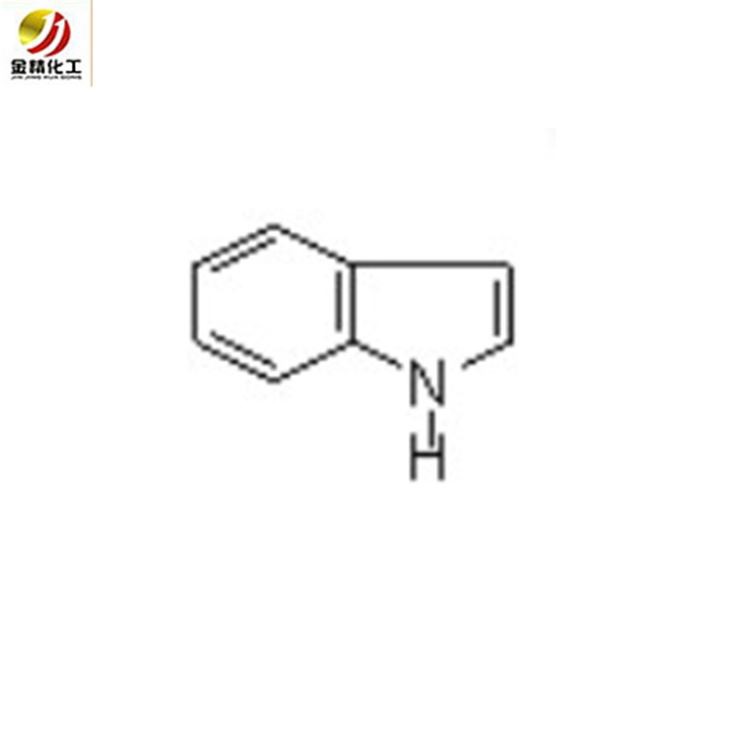
First off, let's talk a bit about what Indole is. Indole, with the chemical formula C8H7N, is a really interesting compound. You can find more info about it on this page: Indole C8H7N. It has a distinct, somewhat floral and fecal smell, and it's used in a bunch of different industries. For instance, it's a Daily Flavor Raw Material Cas 120 - 72 - 9 Indole in the flavor and fragrance world, adding unique notes to perfumes and food flavors. And we also supply 97% 1h - indole Cas No 120 - 72 - 9, which is a high - quality form of this compound.
Now, let's get into the nitty - gritty of how Indole gets metabolized in the body. When Indole enters the body, it can come from different sources. One major source is the gut microbiota. Our gut is like a mini - ecosystem filled with billions of bacteria. Some of these bacteria can break down tryptophan, an amino acid, into Indole. This is a normal part of our digestive process.
Once Indole is in the body, it goes through several metabolic steps. The first step often involves oxidation. Enzymes in the body, mainly cytochrome P450 enzymes, start to work on Indole. These enzymes add an oxygen atom to the Indole molecule. This oxidation can happen at different positions on the Indole ring. For example, oxidation at the 3 - position is quite common. This forms 3 - hydroxyindole, also known as indoxyl.
Indoxyl is a relatively reactive molecule. It can then go through further reactions. One of the main things that happens is conjugation. The body has a way of making molecules more water - soluble so they can be easily excreted. Glucuronidation is a common conjugation reaction. Enzymes called UDP - glucuronosyltransferases (UGTs) attach a glucuronic acid molecule to indoxyl. This forms indoxyl glucuronide, which is much more water - soluble than indoxyl or Indole itself.
Another conjugation reaction that can occur is sulfation. Sulfotransferases add a sulfate group to indoxyl, forming indoxyl sulfate. Both indoxyl glucuronide and indoxyl sulfate are then excreted from the body, mainly through the urine. This is the body's way of getting rid of Indole and its metabolites.
But the story doesn't end there. Indole and its metabolites can also have some effects on the body's systems. For example, Indole has been shown to interact with the aryl hydrocarbon receptor (AhR). The AhR is a protein that plays a role in many biological processes, including the regulation of gene expression. When Indole binds to the AhR, it can activate a series of signaling pathways. This can lead to changes in the expression of genes involved in things like detoxification, inflammation, and immune response.
In the liver, the activation of AhR by Indole can increase the expression of genes that code for cytochrome P450 enzymes. This is part of the body's defense mechanism. By increasing the production of these enzymes, the body can better deal with foreign substances, including Indole itself. It's like the body is saying, "Hey, there's this Indole here. Let's make more enzymes to break it down and get rid of it."
Indole can also have an impact on the gut - brain axis. The gut - brain axis is a two - way communication system between the gut and the brain. Indole produced by gut bacteria can act as a signaling molecule. It can influence the function of the enteric nervous system, which is often called the "second brain" because it can control many gut functions independently of the central nervous system. And it can also have an impact on the production of neurotransmitters like serotonin. Serotonin is important for mood regulation, and changes in its production can affect our mental state.
In addition to these normal metabolic and physiological effects, Indole can also have some implications in disease. For example, in some cases, abnormal levels of Indole or its metabolites in the body can be associated with certain diseases. High levels of indoxyl sulfate in the blood have been linked to kidney disease. In patients with chronic kidney disease, the kidneys are not able to excrete indoxyl sulfate as efficiently as normal. This leads to a build - up of indoxyl sulfate in the body, which can cause oxidative stress and inflammation, further damaging the kidneys.
So, as you can see, the metabolic pathways of Indole in the body are quite complex. It's not just about getting rid of the compound but also about how it interacts with different systems in the body.
If you're in the business of using Indole in your products, whether it's for flavor, fragrance, or other industrial applications, you'll want to make sure you're getting high - quality Indole. That's where we come in. We're a reliable supplier of Daily Flavor Raw Material Cas 120 - 72 - 9 Indole, Indole C8H7N, and 97% 1h - indole Cas No 120 - 72 - 9. If you're interested in learning more about our products or want to start a purchase negotiation, feel free to reach out. We're here to help you get the best Indole for your needs.
References:
- Nebert, D. W., & Dalton, T. P. (2006). The aryl hydrocarbon receptor: a regulator of the immune response. Immunology and cell biology, 84(2), 105 - 114.
- Clarke, G., Stilling, R. M., Kennedy, P. J., & Cryan, J. F. (2013). The gut - brain axis: how the microbiome influences anxiety and depression. Trends in neurosciences, 36(5), 305 - 312.
- Vaziri, N. D., & Sagara, J. (2015). Indoxyl sulfate: a uremic toxin of emerging importance. Kidney international, 87(4), 672 - 682.